Giornate dipartimentali per l’internazionalizzazione 2026
Building (digital) bridges: testimony, memory-making, and resilience
L'iniziativa sarà anche occasione per proclamare e presentare i vincitori del premio istituito per valorizzare l’internazionalizzazione delle ricerche condotte dai titolari di assegni di ricerca e dagli studenti di dottorato afferenti al Dipartimento di Scienze Umane per la Formazione “Riccardo Massa”.
Programma
Aula Seminari (stanza 4288), Edificio U6 Agorà, IV piano
Ore 09.30 - 11.30 || Keynote session
-
Dr. Abeer Otman, PhD, Postdoctoral Fellow, Università di Milano-Bicocca - From Gaza to the World: A Counter Strike Against Genocide
“بدنا نوصل صوتنا للعالم” -
Dr. Mohamed Abu Shawish, PhD, Trauma Therapy Institute- Gaza - The digital presence as an act of memory and psychosocial healing: a case study of social media use in the Gaza strip post-October 7, 2023
- Chair
Prof. Guido Veronese, PhD, Università di Milano-Bicocca
- Discussant
Prof. Mauro Van Aken, PhD, Università di Milano-Bicocca
Ore 14.30 - 16.30 || I programmi di finanziamento della ricerca: panoramiche operative ed esperienze
Seminario formativo a cura del Grant Office
- Dott.ssa Federica Fumagalli eDott.ssa Giulia Dallari, Direzione Generale Centro Servizi di Scienze della Formazione, Università degli Studi di Milano-Bicocca
Il programma FIS e lo schema Starting Grant: un dialogo e qualche spunto
- Dott. Davide Cino, PhD, Ricercatore, Università di Milano-Bicocca
Aula Polivalente (stanza 4160), Edificio U6 Agorà, IV piano
Ore 11.00 - 13.00
- Premiazione del concorso "Giornate dell'Internazionalizzazione"
- Esposizione dei poster di vincitrici/tori delle “Giornate dell’Internazionalizzazione” Edizione 2025 e aggiornamenti di ricerca
Segue rinfresco offerto dal Dipartimento
Ospiti edizione 2026
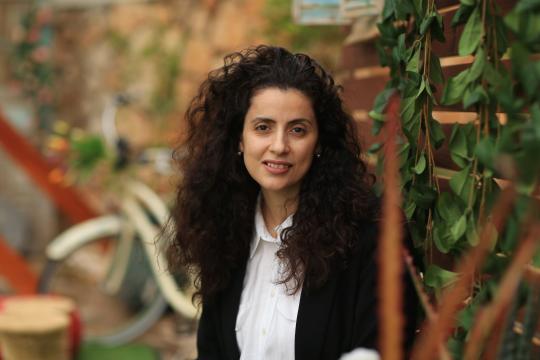
Dr. Abeer Otman (PhD) is a Palestinian mother, social worker, and researcher. She is currently a postdoctoral fellow at the University of Milano–Bicocca, where her work examines father–child relationalities in Gaza under conditions of genocide. Her doctoral research examined Fatherhood in the Settler Colonial Context: The Case of Occupied East Jerusalem.
In addition, her broader research explores Palestinian students’ experiences of livability, survivability, refusal, and futurity within settler colonial higher education systems.
From Gaza to the World: A Counter Strike Against Genocide
“بدنا نوصل صوتنا للعالم”
This presentation examines the methodological and decolonial implications of researching a genocide as it is being live-streamed by its survivors. The extensive circulation of videos and photographs produced by Gazans during Israel’s genocidal war raises urgent questions about why they insist on sharing their own traumatization and resistance. What forms of interaction and relationality they seek from viewers, and how they interpret local and global engagements with their testimonies. These digital archives—created in real time and under conditions of annihilation—compel indigenous and anti-colonial scholars to think about how we read, receive, and ethically respond to the Gaza genocide as it unfolds before us.
Drawing on debates in the philosophy of knowledge and decolonial media studies, the presentation interrogates the status of digital testimony as both data and epistemology. While scholars advocating the decolonization of digital media highlight how online platforms can enable indigenous worldmaking, language, and epistemic autonomy, others question the scientific reliability of such material, leading some academic journals to dismiss research grounded primarily in digital documentation of the genocide. I argue that, in a context where Gazans’ experiences are mediated through the very technologies they use to assert presence, rejecting digital testimony constitutes epistemic violence.
Focusing on Gaza’s live-streamed genocide as a life-and-death methodological terrain, the presentation contends that digital testimonies are not ancillary sources but indispensable archives of Indigenous witnessing. In a historical moment when struggles extend across media, social media, and academic arenas, colonized populations must confront and reshape the epistemic structures that govern their visibility. Methodological engagement with these digital archives is therefore not only justified but necessary; it constitutes a decolonial practice through which the oppressed assert their authority to narrate, document, and theorize their own survival and liberation.
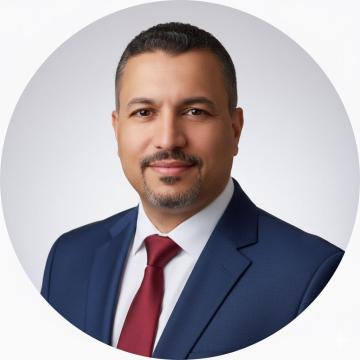
Dr. Mohamed Abu Shawish, PhD in Clinical Psychology, Cofounder of Trauma Therapy Institute- Gaza, with extensive experience in designing and implementing self- care programs, professional supervision, training, project development, and research in health and mental health fields. Certified trainer from WHO for the Mental Health Gap (MHGAP) and Mind-Body Medicine. Lecturer at various Palestinian universities and mental health consultant with international experience.
The digital presence as an act of memory and psychosocial healing: a case study of social media use in the Gaza strip post-October 7, 2023
This presentation investigates the dual role of social media as a tool for narrative resistance and a mechanism for collective healing within the complex geopolitical context of the Gaza Strip following October 7, 2023. Drawing upon the theoretical legacy of Edward Bernays' "Engineering of Consent" and Freudian concepts of the Collective Unconscious, the presentation analyzes how the traditional narrative monopoly is disrupted by direct digital presence. The study reveals that digital broadcasting not only serves as crucial documentation of events (Narrative Resistance) but also fulfills a vital psychosocial function in trauma validation and restoring agency in an environment stripped of control. The presentation concludes that this online "narrative struggle" constitutes a novel form of Digital Sumud (Digital Steadfastness), essential for memory construction and psychological resilience against systemic erasure.